How to Choose Reliable Oil for Dry Skin?






Table of Contents
1. Understanding Dry Skin: Common Causes and Characteristics →
2. Key Properties of Oils Suitable for Dry Skin →
3. Evaluating Oil Absorption Rates: Understanding Skin Penetration →
4. Selecting Oils with Essential Fatty Acids: Importance and Benefits →
5. Identifying Non-Comedogenic Oils for Dry Skin Types →
6. Assessing Oil Purity: Importance of Cold-Pressed and Organic Options →
7. Conducting Patch Tests: Ensuring Compatibility with Sensitive Skin →
When it comes to caring for dry skin, picking the right products really makes a difference, you know? Dr. Emily Carter, a top dermatologist over at SmoothSkin Solutions, once mentioned that ‘Finding a reliable oil for dry skin can totally change up your skincare game.’ But here’s the thing—finding that perfect oil isn’t just about grabbing whatever’s on the shelf. You gotta understand your skin’s unique needs first.
There are tons of oils out there, no doubt. But not everything suits everyone. Some oils might irritate your skin or even cause breakouts—trust me, I’ve been there. So, it’s a smart move to try a little patch first and see how your skin reacts. Remember, what works like a charm for your friend might not do the same for you, so don’t get discouraged.
Another thing to keep in mind is that the quality and sourcing of the oil matter a lot. Natural oils like argan and jojoba tend to hydrate better than artificial or heavily processed options. Just keep in mind, finding that one Reliable Oil for Dry Skin might take some time—there’s a bit of trial and error involved. So take your time, pick carefully, and pay close attention to how your skin responds along the way.
Understanding Dry Skin: Common Causes and Characteristics
Dry skin is a common issue affecting millions. It occurs when the skin loses moisture and becomes rough. The lack of natural oils can lead to discomfort, itching, and irritation. Factors like harsh weather, aging, and certain medical conditions can exacerbate these symptoms. Studies indicate that nearly one in three adults experience significant dry skin issues, impacting their overall quality of life.
Understanding the characteristics of dry skin is essential before selecting reliable oil treatments. You'll notice flakiness and tightness in your skin. In severe cases, cracks may appear, increasing the risk of infections. The skin barrier becomes compromised, making it crucial to restore hydration. Maintaining the balance of lipids is vital. Research highlights that effective moisturizers can improve hydration by up to 45% within a day.
It's important to note that not all oils are created equal. Some may contain irritating additives or allergens. Choose oils with natural emollients, such as jojoba or sunflower seed oil, for better tolerance. Each individual's skin reacts differently, and what works for one may not work for another. Experimentation, along with professional consultation, can help find the most suitable options tailored to personal needs. This journey may require patience and careful observation.
Key Properties of Oils Suitable for Dry Skin
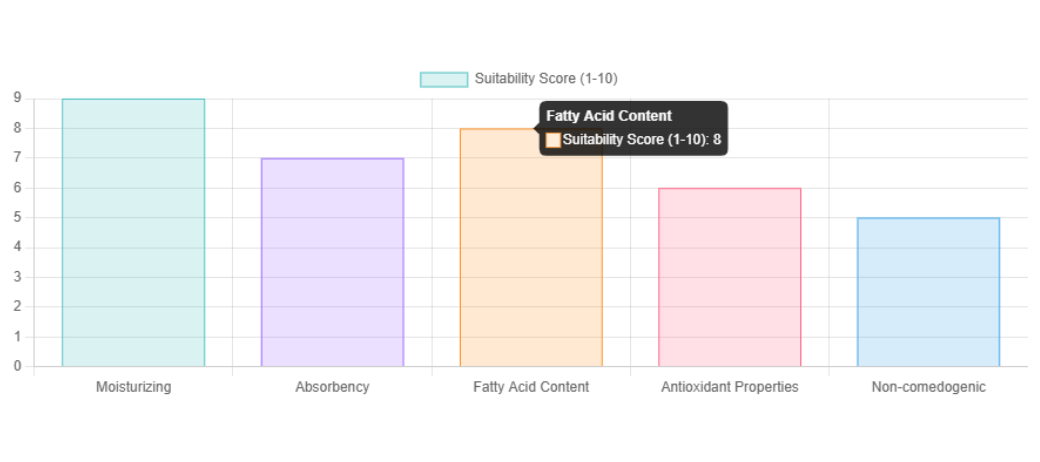
Choosing the right oil for dry skin can significantly improve your skincare routine. When selecting oils, focus on their key properties. First, look for oils rich in fatty acids. These help to restore the skin barrier and lock in moisture. Oils like jojoba or argan are known for their excellent absorption. They provide hydration without leaving a greasy residue.
Another vital property is the oil's comedogenicity. Some oils may clog pores for certain skin types. It's essential to test oils on a small patch before full application. Non-comedogenic oils like safflower or sunflower are safer options. They offer hydration while reducing the risk of breakouts.
Lastly, consider the oil's antioxidant levels. Oils high in antioxidants protect against environmental damage. Oils such as rosehip or evening primrose are beneficial. They not only hydrate but also help in soothing inflammation. Experimenting with these oils can be rewarding, yet it requires patience. Finding the perfect oil may take time, but understanding these properties will guide you efficiently.
Key Properties of Oils Suitable for Dry Skin
Suitability Score (1–10)
Evaluating Oil Absorption Rates: Understanding Skin Penetration
Evaluating oil absorption rates is crucial for selecting oils for dry skin. Different oils penetrate the skin at varying rates. Some oils, like jojoba and sweet almond, mimic natural skin oils. They are absorbed quickly, providing immediate hydration. Others, such as coconut or olive oil, may take longer to sink in, leaving a shiny residue. This can be problematic for those who prefer a non-greasy feel. It's important to consider how each oil interacts with your skin type.
The absorption rate impacts not only hydration but also the overall effectiveness of the oil. When choosing an oil, do a patch test. Apply a small amount to your skin and observe how it feels after an hour. Does it absorb well? Is there any irritation? Sometimes, oils that promise deep hydration can end up clogging pores. The right oil should provide nourishment without causing breakouts.
Reflecting on personal experiences can aid in finding the right match. Some oils may work wonders for one person and fail for another. This variety reminds us that skin care is deeply personal. Stay curious and explore different options to discover what truly benefits your skin.
Selecting Oils with Essential Fatty Acids: Importance and Benefits
When selecting oils for dry skin, essential fatty acids (EFAs) play a crucial role. Research indicates that oils rich in EFAs can significantly improve skin hydration and barrier function. For instance, a study published in the British Journal of Dermatology found that topical application of oils containing linoleic acid improved skin moisture levels by 30% within a month.
Oils such as sunflower and safflower are excellent sources of EFAs. They penetrate the skin, providing vital nourishment. Notably, these oils help to restore the skin's lipid barrier, which is often compromised in dry skin conditions. Experts highlight the importance of selecting oils that are minimally processed, as refined oils can lose their beneficial properties during extraction.
It's worth noting that individual skin reactions can vary. Some may find certain oils too heavy, leading to breakouts. A trial-and-error approach is often necessary. Observing how your skin responds over time can help in making informed choices. Ultimately, choosing oils rich in essential fatty acids can yield substantial benefits for dry skin, enhancing overall skin health.
Identifying Non-Comedogenic Oils for Dry Skin Types
Choosing non-comedogenic oils for dry skin is crucial for maintaining healthy skin without clogging pores. Non-comedogenic oils are less likely to cause breakouts, especially for those with sensitive skin. According to the Journal of Cosmetic Dermatology, certain oils, such as jojoba and argan oil, are often recommended due to their lightweight nature and close resemblance to skin's natural sebum.
Jojoba oil mimics sebum closely, allowing it to nourish without causing blockages. Research from the American Academy of Dermatology indicates that it not only hydrates but also helps control excess oil production. This makes it a dual-action choice for dry skin. Argan oil, rich in vitamin E and fatty acids, provides essential moisture while promoting skin elasticity. Studies show that vitamin E helps in reducing inflammation and repairing the skin's barrier.
However, not all oils work for everyone. Some individuals may experience irritation or breakouts with seemingly safe options. It's essential to conduct patch tests when trying new oils. Additionally, while non-comedogenic oils may suit many, individual reactions can vary. Always pay attention to how your skin responds after application, as monitoring your skin’s unique needs is crucial. This reflective practice can guide you in choosing the most appropriate oil for your skincare routine.
Assessing Oil Purity: Importance of Cold-Pressed and Organic Options
Selecting the right oil for dry skin is vital for achieving hydration and nourishment. One key factor to consider is the oil's purity. Cold-pressed oils retain more nutrients and benefits compared to those processed with heat. This method prevents the degradation of essential fatty acids and vitamins, ensuring the oil remains effective. When shopping, look for labels indicating "cold-pressed" to ensure quality.
Organic options also hold importance. Chemicals and pesticides can linger in non-organic oils, potentially irritating sensitive skin. Organic oils, however, are derived from plants grown without harmful substances. This leads to fewer side effects and a more beneficial effect on dry skin. However, it's easy to get tempted by appealing packaging or aggressive marketing. Always check for certifications and research sources to guarantee authenticity.
Another aspect to ponder is individual reactions to different oils. A product might be deemed pure, yet it may not suit everyone. Always test a small amount before full application. This approach helps to prevent adverse reactions. Balancing purity with personal skin needs requires careful consideration and a little introspection. Which oils have worked best for you in the past?
Conducting Patch Tests: Ensuring Compatibility with Sensitive Skin
Conducting patch tests is essential when selecting an oil for dry skin. This process helps determine if a product is suitable for sensitive skin. According to a study published in the Journal of the American Academy of Dermatology, about 2-10% of patients experience allergic reactions to topical products. A patch test can significantly reduce the likelihood of adverse reactions.
To conduct a patch test, apply a small amount of the oil to a discreet area, like the inside of your wrist. Observe for any reactions over 24 to 48 hours. Redness, itching, or swelling could signal incompatibility. Remember, even natural oils can cause irritation. In fact, a survey from the American Contact Dermatitis Society indicated that coconut oil, popular for its moisturizing properties, can cause contact dermatitis in 1% of users.
If a product passes the patch test, you may proceed with caution. Monitor your skin’s response for the first few days of use. It’s also worth noting that some oils may work well for one person and not another. Finding the right oil involves trial and observation. Each person's skin is unique, and what nourishes one might irritate another. This journey requires patience and mindfulness.
FAQS
1. What are the key properties to look for in oils for dry skin?
: Focus on oils rich in fatty acids, non-comedogenic options, and high antioxidant levels.
2. Why is comedogenicity important when selecting oils?
Comedogenic oils can clog pores, leading to breakouts. Non-comedogenic oils are safer choices.
3. How can I assess oil absorption rates for my skin?
Different oils absorb at varying rates. Conduct a patch test to see how well they interact with your skin.
4. What is a patch test and why should I do it?
A patch test checks for skin reactions. Apply a small oil amount on skin and observe for 24-48 hours.
5. Can natural oils cause skin irritation?
Yes, even natural oils may irritate some users. Coconut oil can cause dermatitis in about 1% of users.
6. How long should I monitor my skin after using a new oil?
Keep an eye on your skin for the first few days. Watch for irritation or changes in hydration.
7. Is there a way to predict how an oil will work for me?
Personal experiences vary. What works for one might not work for another; trial and observation are essential.
8. How do antioxidants in oils benefit my skin?
Oils high in antioxidants protect your skin from environmental damage while providing hydration.
9. What should I do if an oil doesn’t absorb well?
If an oil leaves a greasy feel or doesn't absorb, consider trying a different oil with better absorption properties.
10. How much patience is needed when finding the right oil?
It often takes time and experimentation to find the perfect oil for your skin type. Stay curious and open-minded.
Conclusion
Choosing a reliable oil for dry skin involves understanding the root causes and characteristics of dryness, which can stem from various factors such as environmental conditions or skin health. Key properties to look for in oils include their ability to absorb effectively and penetrate the skin, as well as the presence of essential fatty acids that nourish and strengthen the skin barrier.
When selecting oils, it is also essential to consider non-comedogenic options that won't clog pores, particularly for those with sensitive skin. Assessing oil purity is crucial; opting for cold-pressed and organic varieties ensures higher quality and safety. Lastly, conducting patch tests can help ensure compatibility with the skin, allowing users to confidently choose a reliable oil for dry skin that will meet their specific needs.
AUTHOR INFORMATION
Written by: Ethan
Ethan is a dedicated marketing professional with a profound expertise in the realm of functional herbal wellness. Passionate about promoting everyday well-being, he plays a pivotal role in the development and dissemination of content that highlights the company’s core mission of supporting personal......
Source
Original article: How to Choose Reliable Oil for Dry Skin?