PMS Tea vs Hormone Balance Tea vs Luteal Sleep Tea: Why the Names Don’t Match






It is day 24, you are bloated and short-fused, and you want something warm that is not another coffee. Three tabs later you have PMS tea, hormone balance tea and luteal sleep tea open, all of them described in almost the same words, none of them telling you which one to buy.
Here is the short answer. None of those three names describes a formula. Two of them describe when you would drink it, and one describes a hope. Once you sort the names by what they actually promise, the choice gets much smaller, and usually it comes down to two questions: which day of your cycle are you in, and is it morning or bedtime.
Table of Contents
1. What Each Name Actually Means →
2. Why the Three Feel Interchangeable →
3. What the Herbs in These Teas Have Actually Been Tested For →
4. How to Choose in Ten Seconds →
5. How Laicuherb Splits the Month →
What Each Name Actually Means
PMS tea points at a window. Premenstrual syndrome is the bundle of physical and emotional symptoms that arrive after ovulation and clear once bleeding starts, and the Office on Women's Health notes that the mix and the severity differ widely from one person to the next. A tea sold under this name is usually a warming, spiced or floral cup meant to sit in the daytime of that week, and it may or may not contain caffeine.
Hormone balance tea points at an outcome, and that is the problem with it. There is no shared recipe behind the phrase, no agreed herbs, and no standard dose, which is why two boxes wearing that name can be completely unrelated products. What the label will tell you, if it is an honest one, is simply which plants are inside.
Luteal sleep tea points at a window and an hour. The luteal phase is the stretch from ovulation to the start of bleeding, so this is the same fortnight the PMS label is reaching for, with the added claim of belonging in the evening. Blends sold here lean on cinnamon, mint, lemongrass and other aromatic herbs, and they should be caffeine-free if the bedtime promise means anything.
Why the Three Feel Interchangeable
Because they are all being sold into the same fourteen days. A product aimed at PMS, one aimed at hormone balance and one aimed at luteal evenings are pointing at the same second half of your cycle, which is why the marketing language overlaps so heavily. The differences that actually change your experience are narrower and easier to state: whether the cup has caffeine in it, whether it is sweet, whether you want something spiced or floral, and whether you are drinking it at your desk at 3 pm or at the end of a bad evening.
So do not start from the name. Start from the moment you want the cup in, and the shortlist collapses on its own.
What the Herbs in These Teas Have Actually Been Tested For
Ginger and cinnamon are the two ingredients in this neighborhood with real trials behind them, and the study details matter more than the headline. A 2015 systematic review of randomized trials found that ginger reduced period pain scores, and the authors were specific about the dose, which was 750 to 2,000 mg of ginger powder a day taken across the first three or four days of the cycle. A 2020 meta-analysis of cinnamon, fennel and ginger found pain intensity fell across nine studies totaling 647 women, with cinnamon also shortening how long pain lasted, while the authors still called for more research.
That is promising, and it is also not a cup of tea. Those trials measured powder in grams, taken on a schedule, for pain that had already started. A tea bag lists its total weight, not a dose per herb, so nothing on a tea label lets you arrive at the studied amount.
The sleep side is thinner than the bottles suggest. NCCIH notes that very little is known about chamomile and insomnia, and that a 2019 review found a single insomnia trial which showed no benefit. The better-known positive result is a randomized trial of chamomile tea in 80 postpartum women who drank it for two weeks and reported better sleep and lower depression scores, with the catch that the difference had disappeared by week four.
Meanwhile rose, jujube, goji, red dates, longan, nettle leaf and raspberry fruit are food-grade plants with long culinary and traditional use, and they belong in a buying decision as flavor and habit, not as evidence. Nothing in this category has been shown to change hormone levels, which is why the word balance on a tea box reads best as the theme a blend was built around rather than as a measurement.
How to Choose in Ten Seconds
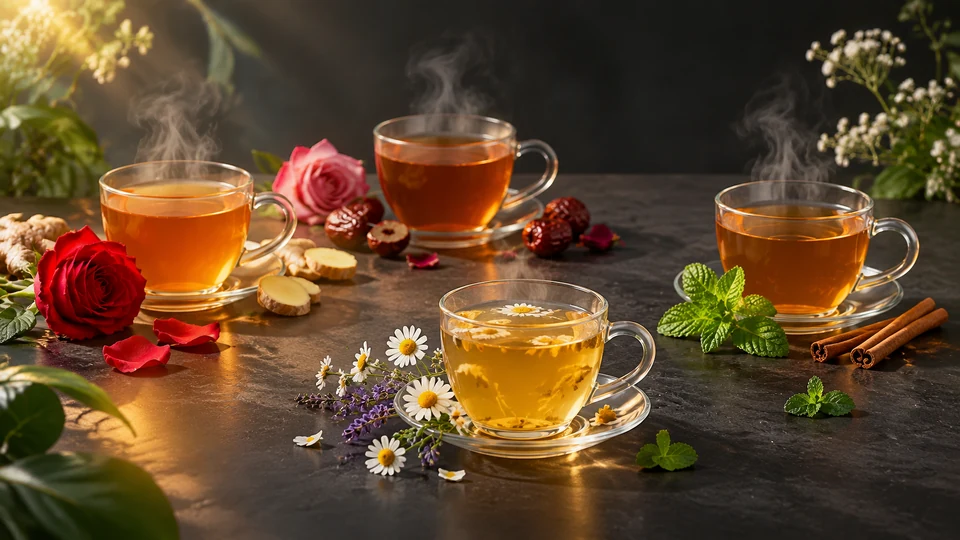
Decide the day first. If you are in the week before bleeding and you want company through the afternoon, pick a warming daytime cup and check whether it contains green tea or another caffeine source, because that decides how many you can drink. If the problem is the evening and you want the cup to be part of winding down, insist on caffeine-free and pick the flavor you will tolerate nightly, because a ritual you dislike is a ritual you drop.
Then read the ingredient list the way you would read a food label. Every plant should be named. If the pack gives only a total bag weight, which is the norm, treat the cup as a beverage rather than a dose. If sugar matters to you, look for brown sugar in the list, because several premenstrual blends are lightly sweet by design. Finally divide the price by the number of bags, since a premium name and a premium price per cup are not the same thing.
How Laicuherb Splits the Month
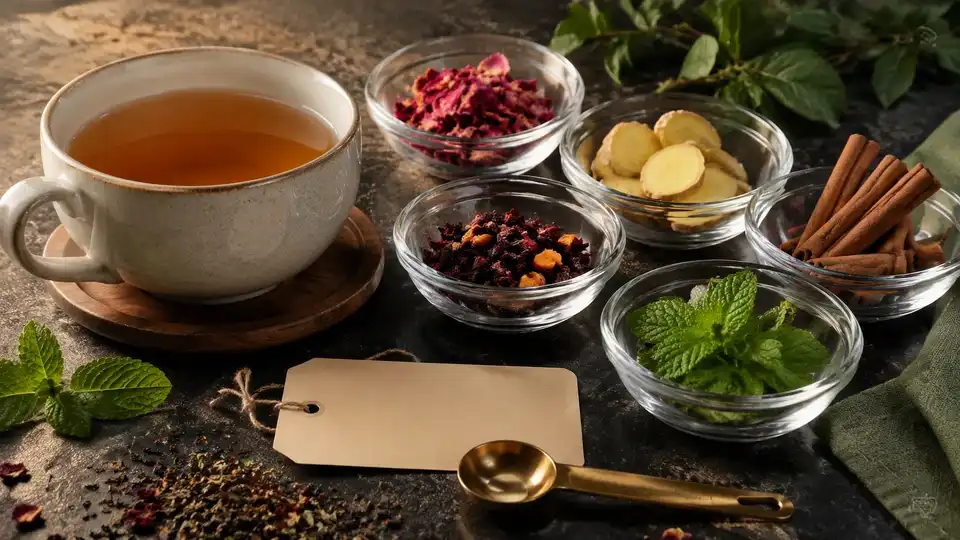
The brand is worth walking through because its four teas show the logic cleanly. Ease Period Comfort Tea covers the bleeding days on longan, red dates, wolfberry, angelica, dried ginger, rose and peony, and the page states that the declared formula carries no caffeinated tea ingredient and is not a substitute for pain relief medication. pms relief tea covers the week before, a rose, ginger, goji and jujube cup with brown sugar, brewed five to ten minutes, at one to two cups a day. Bloom Hormone Balance Tea is placed at ovulation on that same seven-plant blend, which tells you the range is organized by calendar rather than by competing recipes, and that is the practical reason to compare boxes on herbs and bag count rather than on title. Rest Calm & Sleep Tea takes the evenings of the luteal phase with cinnamon, spearmint, lemongrass and ashwagandha, and its page is blunt about what it is, saying the tea does not change hormone levels or treat PMS and belongs to a quiet evening routine.
If the whole month feels difficult rather than one stretch of it, the Cycle Tea Set runs menstruation, the follicular phase, ovulation and luteal evenings in sequence.
When to Put the Kettle Down
A tea is not the right tool for severe symptoms. The Office on Women's Health describes PMDD as severe irritability, depression or anxiety in the week or two before a period, and pain that stops you functioning, bleeding that soaks through quickly, or symptoms that are new and worsening all belong with a clinician. Two things are worth bringing to that appointment: which cycle days the symptoms landed on, and what you have already tried.
Bottom Line
PMS names a fortnight, luteal sleep names that same fortnight plus the evening, and hormone balance names an outcome no tea has demonstrated. Choose by the hour and the day, by caffeine or no caffeine, and by whether you will genuinely enjoy the cup enough to repeat it for a week. The herbs can be pleasant and, in the case of ginger and cinnamon around period pain, mildly interesting from a research standpoint. They are not a treatment, and reading them as company rather than remedy is what makes the shopping easy.
CHOOSE BY THE MOMENT
A tea name is a starting point. Timing, caffeine, ingredients, and realistic expectations make the choice clearer.
FAQs
Q: 1. Can a tea actually balance my hormones?
A: No tea has been shown to do that, and none of the three names is evidence that one can. A blend can be pleasant, warming and easy to keep as a habit, which is a real reason to drink it. If a box makes a specific claim about estrogen or progesterone, bring it to your clinician rather than treating it as settled.
Q: 2. If two teas have the same ingredients, should I just buy the cheaper one?
A: Usually yes, once the bag weight, the ingredient list and the caffeine situation match. The reason brands repeat a blend across two boxes is timing and portion, not a different set of plants, so compare cost per cup and how many days a pack covers you.
Q: 3. Is any of this safe if I am trying to conceive, pregnant or breastfeeding?
A: Check before you sip rather than after. NCCIH notes that little is known about chamomile in pregnancy and breastfeeding and that it can have estrogen-like effects and interact with some medicines, including warfarin and contraceptives, and people allergic to ragweed-family plants can react to chamomile. This is a conversation for a clinician or a pharmacist with the ingredient list in hand.
References
1. Office on Women's Health. Premenstrual Syndrome (PMS). Verified source
2. Office on Women's Health. Premenstrual Dysphoric Disorder (PMDD). Verified source
3. Daily JW, Zhang X, Kim DS, Park S. Efficacy of Ginger for Alleviating the Symptoms of Primary Dysmenorrhea: A Systematic Review and Meta-analysis of Randomized Clinical Trials. Pain Medicine. 2015. Verified source
4. Xu Y, Yang Q, Wang X. Efficacy of herbal medicine (cinnamon/fennel/ginger) for primary dysmenorrhea: a systematic review and meta-analysis of randomized controlled trials. J Int Med Res. 2020. Verified source
5. Effects of an intervention with drinking chamomile tea on sleep quality, fatigue and depression in postpartum women. PMID 26483209. Verified source
6. NCCIH. Chamomile. Verified source
Related Readings
Ashwagandha Tea vs Ashwagandha Extracts: Why a Bedtime Cup Is Not the Study Dose
Energy Tea and Detox Tea Use the Same Herbs for Different Promises