What is PCOS Tea and How Can It Help Your Health?






The tea usually contains herbs like spearmint, chamomile, and fennel. Some women find that these ingredients can help ease certain symptoms linked to PCOS. For example, research suggests that sipping spearmint tea might help lower androgen levels, which could help with excess hair growth. Of course, everyone's different — what works for one person might not do much for another.
Some women notice improvements, while others don't see much change at all. It's super important to pair something like PCOS Tea with a healthy lifestyle — stuff like good diet, regular exercise, and managing stress makes a big difference. And hey, before making any big changes or trying new remedies, it's always a good idea to chat with your healthcare provider. While PCOS Tea can definitely be part of the picture, it's just one piece of the puzzle. Personal experiences and ongoing research show us it impacts everyone a little differently, so keep that in mind.
Table of Contents
→ The Ingredients of PCOS Tea and Their Benefits
→ How PCOS Tea Supports Hormonal Balance
→ Potential Health Benefits of Drinking PCOS Tea
→ How to Prepare and Enjoy PCOS Tea
→ Precautions and Considerations When Using PCOS Tea
What is PCOS Tea?
PCOS tea is a herbal infusion designed specifically for those dealing with polycystic ovary syndrome (PCOS). This condition affects many women and can lead to various health issues. PCOS tea often combines ingredients like spearmint, herbal blends, and specific roots known for their potential benefits. These natural elements aim to help balance hormones and reduce symptoms.
Many women report improved digestive health when they drink this tea regularly. Ingredients can aid in metabolism and weight management, both crucial for PCOS. Some herbs may also soothe inflammation, which is a common concern in individuals with this condition. However, personal experiences vary widely, and it's essential to note that not everyone will experience the same level of relief.
While many enjoy the soothing ritual of drinking PCOS tea, it's important to remain critical. Not all blends have scientific backing. Some ingredients might even irritate certain individuals. It's wise to consult a healthcare professional before starting any new herbal regimen, as each body responds differently to herbal treatments. Listening to your body and observing how it reacts can provide valuable insights.
The Ingredients of PCOS Tea and Their Benefits
PCOS tea is a blend crafted to support those dealing with polycystic ovary syndrome. This tea often includes ingredients like spearmint, cinnamon, and chasteberry. Each component has distinct benefits backed by research.
Spearmint is known for its potential to lower androgen levels. A study in the Journal of Endocrinology & Metabolism found that spearmint tea can significantly reduce testosterone levels in women, which may ease symptoms like hirsutism. Cinnamon is not just a flavor; it also shows promise in regulating menstrual cycles. According to a study from The American Journal of Clinical Nutrition, cinnamon can improve insulin sensitivity, which is crucial for women with PCOS.
Chasteberry (Vitex agnus-castus) has been linked to hormone balance. Research published in Phytotherapy Research indicates that it can help regulate menstrual cycles and alleviate PMS symptoms. Drinking PCOS tea regularly may provide these benefits, but results can vary. Awareness of how your body reacts to these ingredients is vital. Regular monitoring and consultation with a healthcare professional are essential in managing PCOS effectively.
How PCOS Tea Supports Hormonal Balance
PCOS tea has gained attention for its potential benefits in supporting hormonal balance. Women's health can be significantly affected by conditions like polycystic ovary syndrome. This herbal blend contains ingredients known to help regulate menstrual cycles and reduce symptoms associated with hormonal imbalances.
The herbs in PCOS tea often include spearmint, cinnamon, and nettle. Spearmint may help lower testosterone levels, which is often elevated in those with PCOS. Cinnamon is known for its ability to improve insulin sensitivity, addressing a common issue in this condition. Additionally, nettle supports the overall hormonal system. It's essential to understand that while these ingredients can aid, they are not a cure. Reliance on any single solution can hide the broader issues at play in hormonal health.
Regularly consuming PCOS tea may provide some relief, but results can vary. Maintaining a balanced diet and regular exercise should also be part of the strategy for managing PCOS. Listening to your body and noting how it responds to these changes is crucial. Ultimately, PCOS tea can be a supportive tool, but a holistic approach is vital for long-term health.
Potential Health Benefits of Drinking PCOS Tea
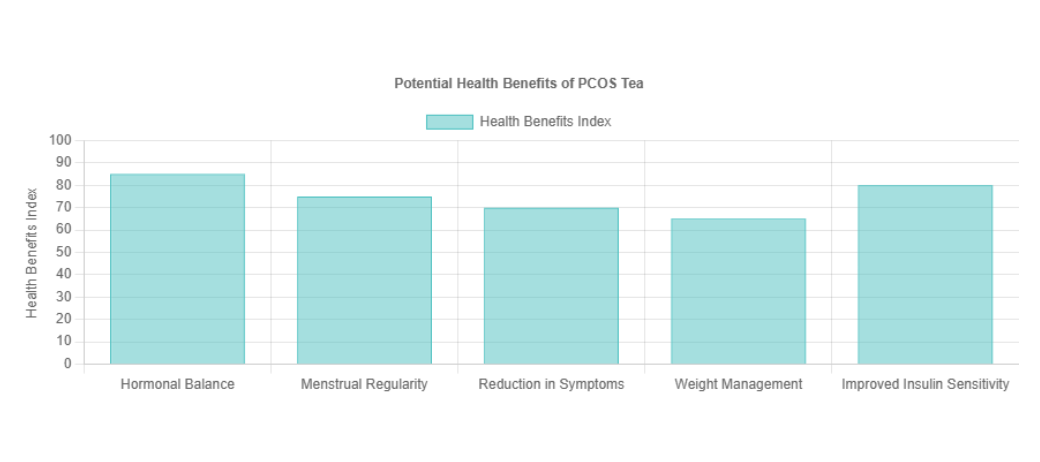
PCOS tea is emerging as a supportive drink for those managing Polycystic Ovary Syndrome. This condition affects 1 in 10 women of reproductive age, according to the Centers for Disease Control and Prevention (CDC). Many women are turning to herbal remedies to alleviate some symptoms associated with PCOS. Drinking PCOS tea may help regulate menstrual cycles and support hormonal balance.
Research indicates that ingredients commonly found in PCOS tea, like spearmint and raspberry leaf, may have health benefits. Spearmint tea shows promise in reducing testosterone levels, which is beneficial for women with PCOS. A study published in the Journal of Endocrinological Investigation found that spearmint tea consumption significantly lowered free testosterone in participants. Furthermore, raspberry leaf may help with menstrual irregularities, addressing one of the major challenges faced by those with PCOS.
Herbal tea can also promote hydration, an essential aspect of overall health. Maintaining proper hydration supports metabolic functions and can aid in weight management. However, it is crucial to recognize that while these teas can offer potential benefits, they are not a cure for PCOS. Individual responses can vary, and consulting with healthcare professionals is recommended. Some may need to reflect on their lifestyle choices alongside using PCOS tea for optimal results.
Potential Health Benefits of Drinking PCOS Tea
How to Prepare and Enjoy PCOS Tea
Preparing PCOS tea can be simple and enjoyable. Start with a base of herbal ingredients that may help balance hormones. Chamomile, spearmint, and licorice root are popular choices for women with PCOS. These herbs have properties that can help reduce inflammation and regulate menstrual cycles. You can find these ingredients at health food stores or online.
To make PCOS tea, begin by boiling water. Measure out one teaspoon of each herb. Pour the boiling water over the herbs and let them steep for five to ten minutes. The aroma fills the room, creating a calm environment. Use a tea strainer to remove the herbs before serving. You can enjoy it hot or cold. Add a squeeze of lemon or a touch of honey for flavor. Experiment with different combinations to find what suits your taste. It's a personal journey that requires patience and reflection on what works best for your body. Making this tea part of your routine can promote wellness, but remember to consult with a healthcare professional for personalized advice.
Precautions and Considerations When Using PCOS Tea
When considering PCOS tea, it's essential to understand its use and potential risks. Many women with Polycystic Ovary Syndrome turn to herbal remedies for relief. However, incorporating PCOS tea into your routine should involve careful thought. A study from the Journal of Obstetrics & Gynecology found that up to 70% of women with PCOS experience symptoms like insulin resistance and hormonal imbalance. These tools may help manage such symptoms, but they are not miracle cures.
Users should be cautious with herbal ingredients. Not all herbs in PCOS tea are universally safe. For instance, spearmint tea may reduce testosterone levels, but excessive consumption can lead to digestive issues. A report from the National Center for Complementary and Integrative Health highlights the importance of not exceeding recommended dosages. Furthermore, PCOS treatments should ideally be guided by healthcare professionals, considering individual medical histories and needs.
It's crucial to monitor your body's response when trying PCOS tea. Some may find relief, while others could experience adverse effects. Reflecting on your experiences can guide your decisions toward a balanced approach. Having open discussions with a healthcare provider also ensures that all treatments align with your health goals and lifestyle.
Personal Experiences: Stories of PCOS Tea Users
Personal experiences with PCOS tea are varied, offering unique insights into its potential benefits. Many users report improvement in symptoms such as irregular periods and mood swings. For instance, a survey conducted by the PCOS Awareness Association revealed that over 40% of women found herbal teas helpful in their PCOS management. Testimonials frequently highlight improved digestion and reduced bloating, common complaints for those with PCOS.
However, not every story is positive. Some individuals experience minimal change. A user shared that despite drinking tea regularly, her menstrual cycle remained unpredictable. This reflects the reality that lifestyle and individual biology also play crucial roles in PCOS management. Research published in the Journal of Endocrinology notes that while herbal remedies can support health, they are not a cure-all.
Additionally, many participants find that their tea routines foster a greater sense of community. Sharing recipes and brewing tips creates bonds among users. This social aspect can be essential, as mental health significantly impacts PCOS symptoms. Engaging with others provides empowerment and encouragement, reminding individuals that they are not alone in this journey.
FAQs
Q: What is the base for preparing PCOS tea?
A: Herbal ingredients like chamomile, spearmint, and licorice root make a great base for PCOS tea.
Q: How do you prepare PCOS tea?
A: Boil water, measure one teaspoon of each herb, and steep for five to ten minutes.
Q: Can I sweeten my PCOS tea?
A: Yes, adding lemon or honey can enhance the flavor of your tea.
Q: Are there any risks associated with PCOS tea?
A: Yes, overconsumption of certain herbs can cause digestive issues; excess caution is advised.
Q: Should I consult a healthcare professional before using PCOS tea?
A: Yes, discussing your tea regimen with a healthcare provider is essential for personalized advice.
Q: How does PCOS tea affect hormones?
A: Some herbs may help balance hormones, but results can vary from person to person.
Q: Is PCOS tea a miracle cure?
A: No, PCOS tea can help manage symptoms, but it's not a miracle solution for everyone.
Q: How can I find the right ingredients for PCOS tea?
A: Look for ingredients at health food stores or online, but ensure they are suitable for you.
Q: How should I track my body's response to PCOS tea?
A: Pay attention to any relief or adverse effects and reflect on your experiences.
Q: What if I experience side effects?
A: If side effects occur, reassess your approach and consult your healthcare provider for guidance.
Conclusion
PCOS Tea is a herbal infusion specifically designed to support individuals dealing with polycystic ovary syndrome. Composed of various beneficial ingredients, each element serves a specific purpose, contributing to hormonal balance and overall health. The tea helps alleviate some symptoms associated with PCOS by promoting regular menstrual cycles and supporting metabolic function.
Drinking PCOS Tea may offer numerous health benefits, including improved mood, reduced inflammation, and better weight management. Preparing and enjoying this tea is simple, making it an accessible addition to one's daily routine. However, it's important to consider individual health conditions and consult with a healthcare provider before incorporating PCOS Tea into your lifestyle. Many users have reported positive experiences, sharing stories of how the tea has aided their journey in managing PCOS symptoms effectively.
Quality & Certifications
ISO-FSSC | COI | HALAL | HACCP | COA
|
E
|
Ethan Functional Herbal Wellness & Marketing Professional Ethan is a dedicated marketing professional with expertise in functional herbal wellness, passionate about promoting everyday well-being through nature-based solutions. |
References
[1] Spearmint tea significantly reduces testosterone levels in women. Journal of Endocrinology & Metabolism.
[2] Cinnamon improves insulin sensitivity. The American Journal of Clinical Nutrition.
[3] Chasteberry (Vitex agnus-castus) helps regulate menstrual cycles and alleviate PMS. Phytotherapy Research.
[4] PCOS affects 1 in 10 women of reproductive age. Centers for Disease Control and Prevention (CDC). https://www.cdc.gov/reproductivehealth/
[5] Spearmint tea significantly lowers free testosterone. Journal of Endocrinological Investigation.
[6] Up to 70% of PCOS women experience insulin resistance/hormonal imbalance. Journal of Obstetrics & Gynecology.
[7] Importance of not exceeding recommended herbal dosages. National Center for Complementary and Integrative Health. https://www.nccih.nih.gov/health/using-dietary-supplements-wisely
[8] Over 40% of women found herbal teas helpful in PCOS management. PCOS Awareness Association.
[9] Herbal remedies support health but are not cure-alls. Journal of Endocrinology.
Related Readings
best pcos tea for Hormonal Balance and Health Benefits?
Effective Period Pain Management Tips for Relief and Comfort?