What is the Best Buy Amenorrhea Remedies Products You Should Consider?







Table of Contents
- Understanding Amenorrhea: Definition and Types
- Common Causes of Amenorrhea You Should Know
- Top Herbal and Natural Remedies for Treating Amenorrhea
- Over-the-Counter Products for Amenorrhea Relief
- Diet and Lifestyle Changes to Address Amenorrhea
- When to Seek Medical Advice for Amenorrhea
- Holistic Approaches to Managing Amenorrhea Symptoms
Amenorrhea, or the absence of periods, can really shake things up for many women out there. With all the different remedies available these days, it can feel pretty overwhelming trying to find what actually works. Dr. Sarah Thompson, a well-respected expert in women's health, puts it nicely—she says, "Finding a personalized remedy for amenorrhea is so important for getting your body back in sync."
A bunch of factors can play a role here—stress, hormonal stuff, lifestyle choices—you name it. Honestly, figuring out how to tackle these challenges can seem like a lot to handle. Women often just want options that don't just cover up symptoms but also support their overall health and happiness. With so many products out there, it's key to know what's trustworthy versus what's just noise.
Trying out different remedies—like herbal supplements, changing up your lifestyle, or even seeking medical advice—is part of the process. Every woman's experience is pretty unique, so it's all about experimenting and listening to your body. Embracing this healing journey isn't just about fixing something; it's about feeling empowered and healthier overall. Finding the right approach really can make a big difference in managing amenorrhea and getting your life back on track.

Understanding Amenorrhea: Definition and Types
Amenorrhea signifies the absence of menstruation for more than three cycles. This condition can be categorized into two types: primary and secondary amenorrhea. Primary amenorrhea occurs when a young woman has not begun menstruating by age 15. In contrast, secondary amenorrhea describes the situation when a woman who has previously menstruated stops for three consecutive months. According to a report from the American Journal of Obstetrics and Gynecology, approximately 3% to 4% of women experience amenorrhea at some point in their lives.
Lifestyle factors play a crucial role in managing amenorrhea. Stress, excessive exercise, and significant weight changes can all contribute. A study in the Journal of Women's Health found that around 30% of athletes experience amenorrhea due to low body fat, nutritional deficiencies, or hormonal imbalances. Understanding these triggers is essential for recognizing amenorrhea and seeking appropriate remedies or treatment.
Tips for managing amenorrhea include maintaining a balanced diet rich in nutrients, managing stress through mindfulness techniques, and ensuring adequate rest. It is important to approach lifestyle changes gradually. Not all methods work for everyone. Keep in mind that individual experiences and responses may vary greatly. Focus on recognizing your body's signals instead of pursuing perfection in symptom management.
What is the Best Buy Amenorrhea Remedies Products You Should Consider?
| Product Name | Type | Formulation | Key Ingredients | Benefits |
|---|---|---|---|---|
| Herbal Tea Blend | Natural Remedy | Loose Leaf | Raspberry Leaf, Nettle | Supports menstrual cycle regulation. |
| Hormonal Balance Supplement | Dietary Supplement | Capsule | Vitex Agnus-Castus, Dong Quai | Enhances hormonal balance and reproductive health. |
| Essential Fatty Acid Capsules | Dietary Supplement | Softgel | Omega-3, Omega-6 | Promotes hormonal and reproductive function. |
| Cycle Regulator Tincture | Liquid Herbal | Tincture | Black Cohosh, Red Clover | Reduces symptoms of amenorrhea and promotes regularity. |
Common Causes of Amenorrhea You Should Know
Amenorrhea, the absence of menstruation, can arise from various causes. Understanding these factors is crucial for effective management and treatment. Stress is a significant contributor. Emotional or physical stress can disrupt hormonal balance. A report from the American Journal of Obstetrics and Gynecology highlights that more than 30% of women experience stress-related amenorrhea.
Another common cause is significant weight loss or gain. The body tightly regulates reproductive functions based on energy availability. According to the Centers for Disease Control and Prevention (CDC), athletes and individuals with eating disorders are at higher risk. In fact, 50% of women with eating disorders report menstrual irregularities.
Hormonal disorders, such as polycystic ovary syndrome (PCOS), also play a major role. This condition affects 1 in 10 women of reproductive age and can lead to prolonged absence of periods.
Menstrual health is often a direct reflection of overall well-being. Addressing these issues is not just about restoring a cycle; it's about enhancing one's quality of life. The complexity of amenorrhea requires careful consideration and individualized approaches. Each woman's experience is unique and deserves a tailored response. Understanding the underlying causes is the first step toward finding effective remedies.
Top Herbal and Natural Remedies for Treating Amenorrhea
Amenorrhea, the absence of menstruation, can be a challenging condition. Many women seek herbal and natural remedies to address this issue. Understanding natural solutions is vital for those looking for alternatives to conventional treatments.
Herbal remedies, such as spearmint tea, have shown promise in restoring hormonal balance. Spearmint can help lower testosterone levels, which may aid menstrual regularity. Another beneficial herb is Vitex, or chaste tree. This plant is known for its capacity to regulate the menstrual cycle. It works by interacting with the pituitary gland, which helps in hormone production.
Lifestyle changes are essential too. A balanced diet with enough nutrients is critical. Include foods rich in vitamins and minerals. Stress management techniques, like yoga or meditation, can also help. Both physical and emotional well-being play a role in menstrual health. Regular exercise, even moderate, may positively influence hormone levels. Tracking these changes can offer insights but may require time. As with any remedy, results can vary. Individual reflection on one's body and responses is important.
Over-the-Counter Products for Amenorrhea Relief
Amenorrhea is a condition characterized by the absence of menstrual periods. This may result from various factors such as stress, hormonal imbalances, or medical conditions. Over-the-counter products can offer relief to those experiencing this issue. They often contain natural ingredients known for their potential benefits.
Many women turn to herbal supplements like chaste tree berry or evening primrose oil. These can help balance hormone levels and may encourage menstrual flow. Additionally, lifestyle modifications such as maintaining a healthy diet and managing stress are crucial. Using products that promote relaxation can be quite effective in addressing underlying causes.
While these remedies may provide support, it's important to embrace a holistic approach. Incorporating practices such as yoga or meditation may enhance overall well-being. Monitoring changes in your body and evaluating what works best for you is also vital. Remember, everyone's experience with amenorrhea is unique, and taking time to reflect on your body's needs can lead to more personalized solutions.
Diet and Lifestyle Changes to Address Amenorrhea
Diet and lifestyle changes play a critical role in addressing amenorrhea. Research indicates that 25% to 50% of women with amenorrhea may improve their condition through lifestyle alterations. These changes can include adjustments in nutrition and physical activity. Many women overlook how a balanced diet can influence hormonal health. A diet rich in whole grains, lean proteins, and healthy fats is essential. Nutrients like zinc and vitamin D are vital for reproductive health.
Moreover, stress management is often underestimated. Chronic stress can disrupt hormonal balance and menstrual cycles. Activities such as yoga, meditation, and regular exercise can significantly reduce stress levels. A study published in the Journal of Women's Health suggests that moderate exercise can help restore menstrual cycles in some women. However, it's important to avoid excessive exercise, as it can exacerbate the problem.
Maintaining a healthy weight is also crucial. For some, underweight or obesity can lead to amenorrhea. Different studies show that women with a body mass index (BMI) below 18.5 often experience disruptions in their menstrual cycles. Nutrition and exercise should focus on achieving a balanced and sustainable lifestyle. Self-reflection on daily habits is important for identifying triggers that affect menstrual health.
When to Seek Medical Advice for Amenorrhea
Amenorrhea, or the absence of menstruation, can be concerning for many individuals. It's important to understand when to seek medical advice. If you miss three consecutive periods, this warrants a consultation. Stress, weight changes, and medications can cause such issues. However, continuous absence might indicate underlying health problems.
Pay attention to accompanying symptoms. Significant weight loss or gain can lead to hormonal imbalances. A sudden drop in energy, or unusual hair loss, also requires professional evaluation. Emotional distress and lifestyle changes can complicate the situation. Seeking help early can help mitigate possible complications later on.
Persistent amenorrhea can signal serious health concerns. Conditions like polycystic ovary syndrome (PCOS) or thyroid disorders might be behind it. Regular check-ups with a healthcare provider can help track changes. Always trust your instincts about your health. If something feels off, don't hesitate to reach out to medical professionals.
Holistic Approaches to Managing Amenorrhea Symptoms
Amenorrhea, the absence of menstrual periods, can significantly impact women's health. Holistic approaches to managing symptoms focus on lifestyle modifications and natural remedies. These methods align with findings from the American Journal of Obstetrics and Gynecology, which suggests that stress reduction and nutrition play vital roles in menstrual health.
Implementing a balanced diet rich in essential nutrients is crucial. Studies indicate that deficiencies in magnesium, zinc, and vitamin D may contribute to hormonal imbalances. Integrating foods like leafy greens, nuts, and fatty fish can help restore nutrient levels. Regular physical activity is also recommended. It is well-documented that moderate exercise can alleviate stress and improve hormonal function.
Mindfulness practices such as yoga and meditation can enhance emotional well-being. Research from the Journal of Behavioral Medicine shows that just 10 minutes of daily mindfulness can lower cortisol levels, potentially helping regulate menstrual cycles. However, it is essential to acknowledge that these remedies may not work for everyone, and individualized approaches are necessary. Listening to one's body and seeking professional guidance is critical in this journey.
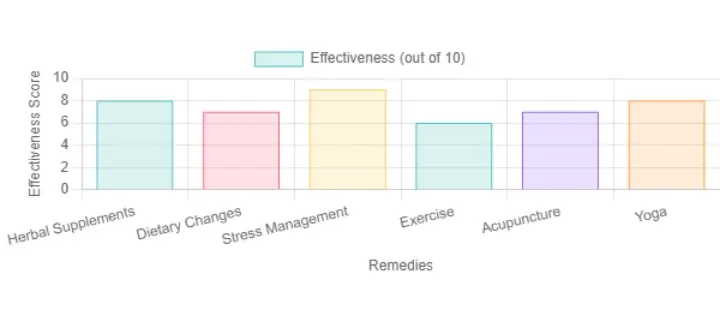
Amenorrhea Remedies Effectiveness
The chart below illustrates the effectiveness of various holistic remedies for managing amenorrhea symptoms based on user feedback.
FAQS
Q: : What is amenorrhea?
A: : Amenorrhea is the absence of menstrual periods. It can be caused by various factors.
Q: How can herbal remedies help with amenorrhea?
A: Herbal remedies may help restore hormonal balance. Spearmint tea and Vitex are commonly suggested options.
Q: What lifestyle changes can support menstrual health?
A: A balanced diet rich in nutrients is essential. Stress management through yoga or meditation can also help.
Q: Are over-the-counter products effective for amenorrhea?
A: Yes, many products contain natural ingredients that may help balance hormones and encourage flow.
Q: How does exercise relate to amenorrhea?
A: Regular exercise can positively affect hormone levels. Moderate activity might alleviate stress and improve overall health.
Q: What should I monitor when using natural remedies?
A: It's important to track changes in your body. Reflection on what works can lead to personalized solutions.
Q: Can mindfulness practices influence amenorrhea?
A: Yes, mindfulness practices may lower cortisol levels. This can help regulate menstrual cycles over time.
Q: Is it necessary to consult a professional for amenorrhea?
A: Seeking professional guidance is critical. Individualized approaches are often required for effective management.
Q: How can dietary deficiencies affect menstrual health?
A: Deficiencies in nutrients like magnesium and vitamin D can lead to hormonal imbalances that affect menstruation.
Q: Do these remedies work for everyone?
A: No, remedies may not be effective for everyone. Listening to your body and reflecting on responses is vital.
Conclusion
Amenorrhea, the absence of menstruation, can be classified into primary and secondary types, each stemming from various underlying causes. Understanding these causes is crucial for identifying appropriate amenorrhea remedies. Common factors include hormonal imbalances, stress, excessive exercise, and nutritional deficiencies.
Fortunately, there are numerous remedies to consider, including herbal and natural options that may help restore menstrual cycles. Over-the-counter products can also provide relief for some symptoms associated with amenorrhea. Additionally, making specific diet and lifestyle changes can contribute to alleviating this condition. In some cases, seeking medical advice is essential, especially when symptoms persist. Holistic approaches that incorporate mind-body techniques may also be valuable for managing amenorrhea symptoms effectively.
About the Author
Lila
Lila is a dedicated marketing professional with a deep expertise in functional herbal wellness. She plays a pivotal role in the development and promotion of personalized nutrition solutions that cater to individual needs. With a passion for holistic health, Lila regularly updates the company's educational platforms to ensure consumer literacy and product transparency.